How to Select the Right Flight Instructor
Why Selecting the Right Flight Instructor Matters
Learning to fly is one of the most rewarding pursuits you can undertake, but the quality of your training depends heavily on one critical decision: selecting the right flight instructor. A great instructor doesn't just teach you to pass a checkride — they shape your habits, your judgment, and your lifelong relationship with aviation safety. A poor fit, on the other hand, can slow your progress, drain your budget, and leave gaps in your foundational knowledge. Taking the time to evaluate your options carefully is one of the smartest investments you can make before your first lesson ever begins.
Understanding What a Flight Instructor Actually Does
Before you can select the right flight instructor, it helps to understand the different credentials involved. The FAA issues several instructor certificates, including the Flight Instructor Certificate (for single-engine, multi-engine, and instrument instruction) and the Ground Instructor Certificate (for those who teach the academic and theoretical side of aviation). Many excellent instructors hold both. When you're evaluating candidates, ask about their specific ratings and endorsements so you know they're qualified to teach the curriculum you need — whether that's private pilot, instrument rating, commercial, or beyond.
It's also worth distinguishing between an instructor who is building hours toward an airline career and one who views flight instruction as a long-term profession. Neither is inherently better, but understanding their motivation helps you gauge how invested they'll be in your individual progress.
Key Qualities to Look for When Choosing a Flight Instructor
Credentials matter, but they're only the beginning. Here are the qualities that consistently separate good instructors from great ones:
- Communication style: Can they explain a complex concept — like spatial disorientation or weight-and-balance — in a way that clicks for you? Every student learns differently, and a skilled instructor adapts their approach.
- Patience and encouragement: Learning to fly involves setbacks. An instructor who responds to mistakes with frustration rather than constructive feedback can undermine your confidence at a critical stage.
- Standardization and structure: Does the instructor follow a syllabus? A structured training program keeps you on track and ensures you're building skills in the right order.
- Safety culture: Watch how an instructor handles preflight inspections, weather decisions, and go/no-go calls. Their habits become your habits.
- Availability and consistency: Frequent scheduling gaps and instructor changes slow progress dramatically. Ideally, you want someone who can commit to a consistent weekly schedule with you.
- Ground instruction quality: Flying is only half the battle. A great instructor invests serious time in ground training, covering aerodynamics, regulations, weather, and navigation — the same knowledge tested on your FAA written exam.
Questions to Ask Before You Commit
Think of your first meeting with a potential instructor as a two-way interview. You're auditioning them just as much as they're evaluating you. Here are some questions worth asking:
- What does your typical lesson plan look like for a student at my stage?
- How do you handle a student who is struggling with a particular maneuver or concept?
- What resources do you recommend to supplement our ground training?
- How many students are you currently working with, and how available will you be?
- What is your philosophy around solo endorsements and checkride readiness?
- Can I speak with a former or current student about their experience?
Pay attention not just to their answers but to how they answer. An instructor who listens carefully, gives thoughtful responses, and asks you questions in return is demonstrating exactly the kind of engagement you want in the cockpit.
The Role of Ground School and Written Test Prep in Your Training
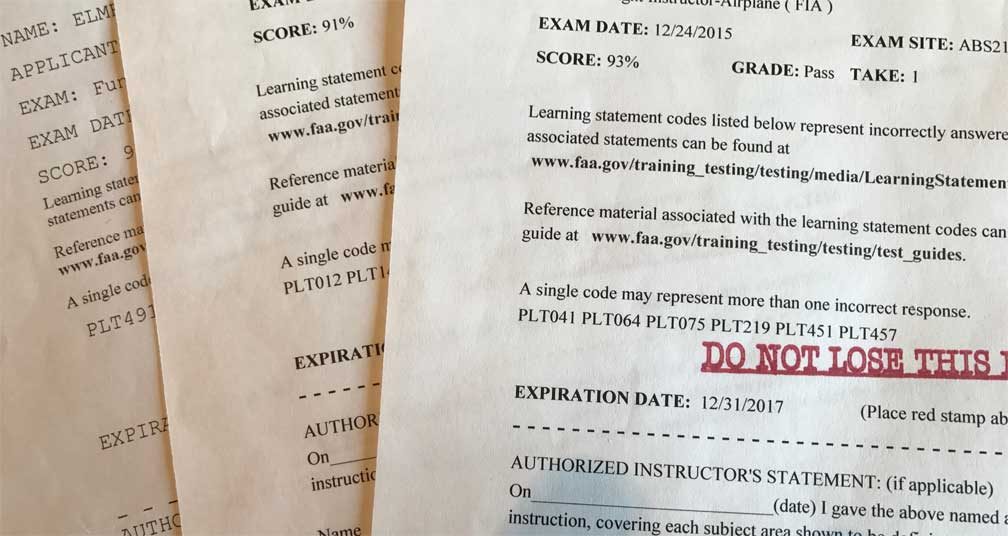
One area where students often underestimate their instructor's influence is written test preparation. Your FAA knowledge test — often called the written exam — covers a broad range of topics including regulations, airspace, weather, aerodynamics, and navigation. A strong instructor will integrate this material into your ground lessons rather than treating it as a separate, optional chore.
That said, you shouldn't rely on your instructor alone to get you through the written. Dedicated, self-directed study is essential. A platform like
Ready to pass your FAA written exam?