Minimum Descent Altitude
What is minimum descent altitude?
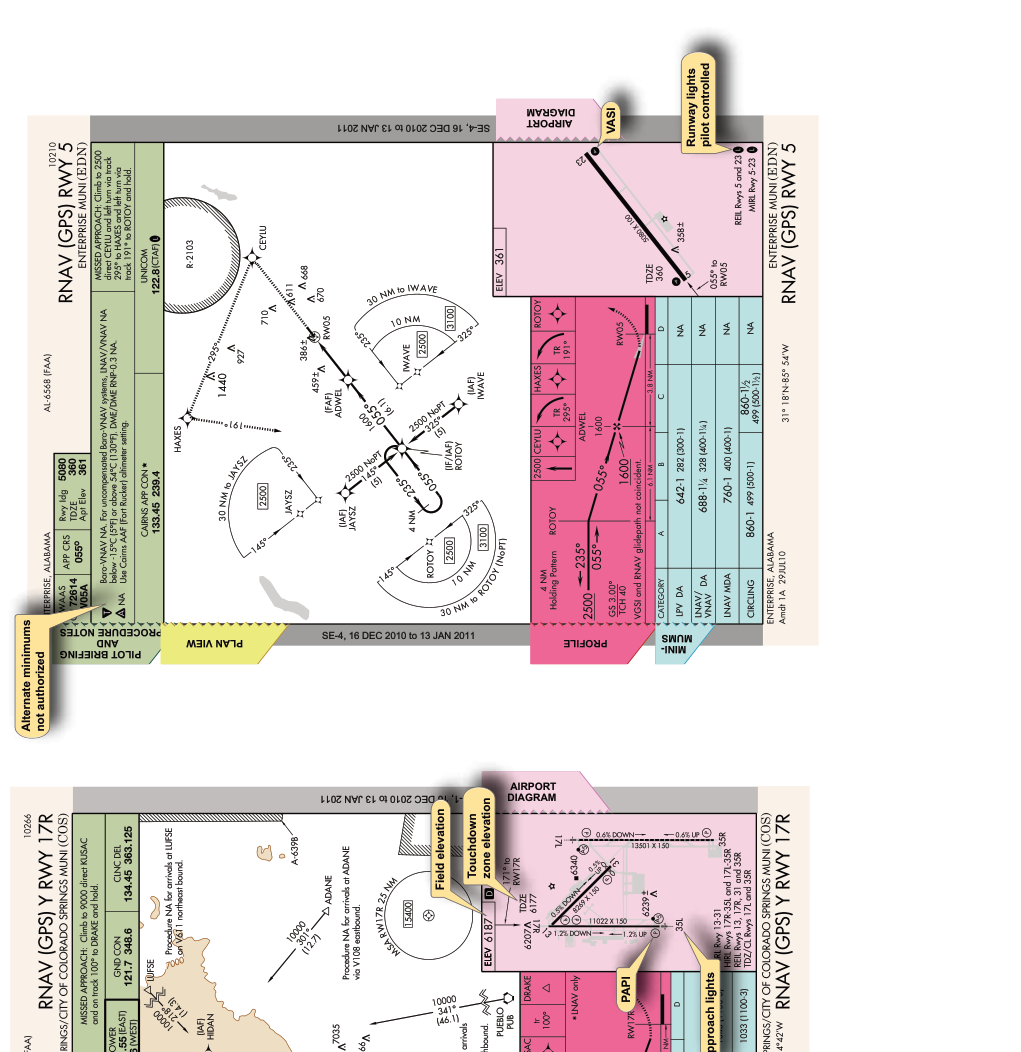
The lowest altitude, in feet above mean sea level (MSL), to which you are authorized to descend on final approach (or during circle-to-land maneuvering) when flying a nonprecision instrument approach—one with no electronic glideslope. You may level off and fly at the MDA, but you cannot go below it unless you have the required visual references and are in a position to land normally. Think of it as the "floor" you can't bust on a nonprecision approach—unlike a Decision Altitude, you don't descend through it, you level off at it.
Also known as: MDA, minimum descent altitude
Studying for an FAA written test?
Terms like minimum descent altitude show up on the FAA knowledge test. Study them in context with ACS-aligned practice questions, AI explanations, and the cited FAA handbook reference behind every answer — free to start.
Learn more in the library
Related terms
- middle marker
- military operations area
- minimum controllable airspeed
- minimum crossing altitude
- minimum en route altitude
- minimum obstruction clearance altitude
- minimum reception altitude
- minimum safe altitude