Aeromedical Factors Every Pilot Should Understand
By Aviation Test Prep Team · · Updated
Your Body Is Part of the Aircraft System
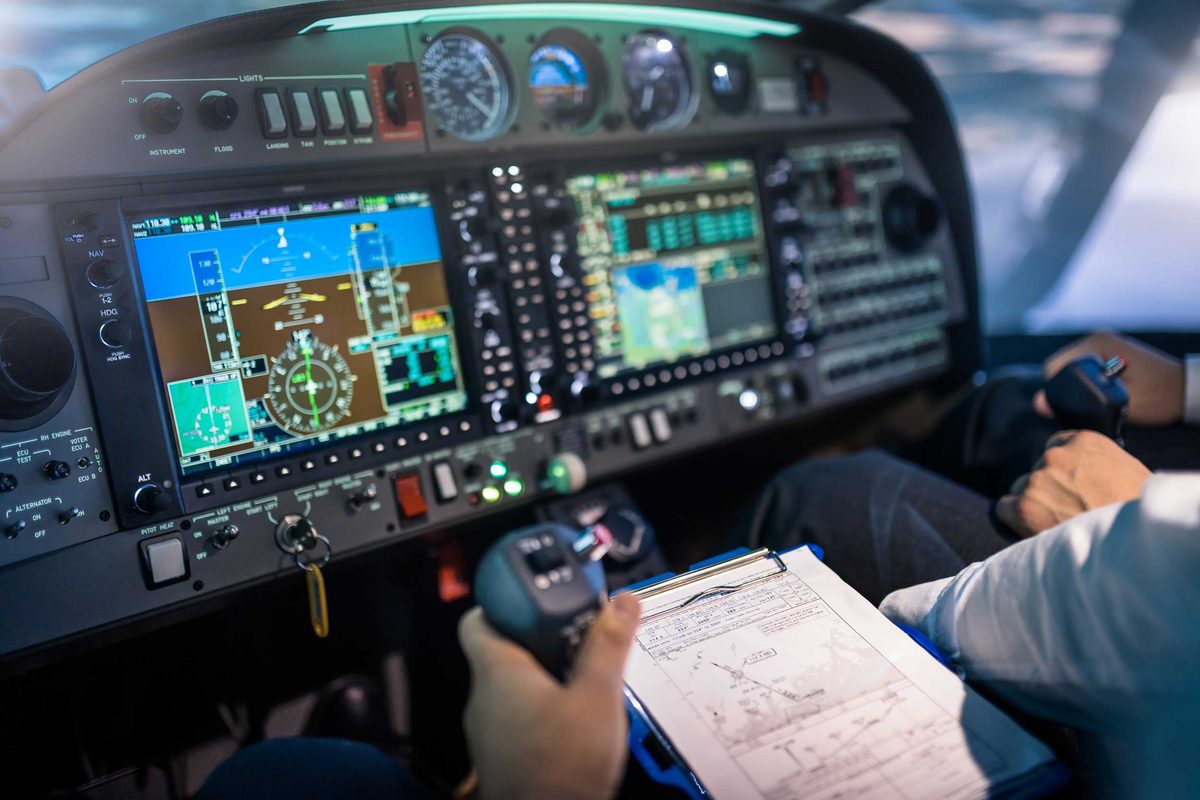
Flight puts the human body in an environment it never evolved for — thin air, motion without visual reference, and long periods of vigilance. The aeromedical factors section of the knowledge test is really a set of self-preservation skills: recognizing when your body is lying to you and knowing what to do about it.
Oxygen and Hypoxia
Hypoxia is oxygen starvation, and it's dangerous because its first casualty is your judgment — you feel fine while your performance falls apart. Know the four types: hypoxic (altitude), hypemic (blood can't carry O2, as in carbon monoxide poisoning), stagnant (poor circulation), and histotoxic (cells can't use O2, as with alcohol). Under 14 CFR 91.211, the required flight crew must use supplemental oxygen above 12,500 ft MSL after 30 minutes, continuously above 14,000 ft, and passengers must be provided oxygen above 15,000 ft.
Carbon Monoxide and Hyperventilation
Carbon monoxide poisoning usually comes from a cracked exhaust heater shroud; symptoms are headache, dizziness, and drowsiness. Shut off the heater, open vents, use oxygen, and land. Hyperventilation — over-breathing from stress — mimics hypoxia; the fix is to slow your breathing and restore normal CO2 levels.
Disorientation and Vision
Spatial disorientation happens when your inner ear disagrees with reality in cloud or on a dark night — the cure is to trust your instruments, not your sensations. For night flying, remember that your rods handle low light, take about 30 minutes to adapt to darkness, and see best off-center, so scan with your peripheral vision rather than staring.
Pressure, Alcohol, and Fitness to Fly
On descent, trapped air causes ear and sinus block — the Valsalva maneuver and a slower descent help. For alcohol, the rule is 8 hours "bottle to throttle," a blood alcohol level below 0.04%, and no flying while impaired (14 CFR 91.17). After scuba diving, wait at least 12 hours before flight (24 hours if the dive required a controlled ascent) to avoid decompression sickness. Before every flight, run the IMSAFE checklist — Illness, Medication, Stress, Alcohol, Fatigue, Emotion/Eating.
On the exam, expect questions on the types of hypoxia, oxygen-use altitudes, the alcohol rules, and how to recognize and correct disorientation, hyperventilation, and CO poisoning. In the airplane, the lesson is simpler: when your body sends a warning, believe it early.
Aviation Test Prep organizes every question by ACS area and uses spaced repetition to resurface your weak spots, so you can watch your practice scores climb past the 70% line — and keep climbing — before you ever schedule the real test.
Ready to pass your FAA written exam?