How to Save Money on Flight Training
Flight Training Costs Don't Have to Break the Bank
Learning to fly is one of the most rewarding pursuits you can undertake, but the cost of flight training can feel overwhelming at first glance. Whether you're working toward your Private Pilot Certificate or pushing further toward an instrument rating or commercial certificate, the expenses add up quickly — fuel, aircraft rental, instructor fees, ground school, and FAA written tests all compete for your budget. The good news is that with smart planning and disciplined study habits, there are real, practical ways to save money on flight training without compromising safety or the quality of your education.
In this guide, we'll walk through strategies that FAA-certified instructors consistently recommend to student pilots who want to make every dollar count. From maximizing your ground study time to choosing the right training environment, these tips can meaningfully reduce the total cost of earning your certificate.
Understand Where the Money Actually Goes
Before you can save money on flight training, it helps to understand where costs accumulate. Most students are surprised to discover that a significant portion of their training expenses come not from poor flying, but from poor preparation on the ground. When you arrive at a lesson underprepared, you spend valuable flight time — and money — re-learning concepts that could have been mastered at home for free. Aircraft rental rates and instructor fees run by the hour, so any confusion in the cockpit is literally expensive.
The major cost categories typically include:
- Aircraft rental: Usually the single largest expense, billed per Hobbs or tach hour
- Instructor fees: Charged for both flight and ground time during lessons
- Ground school or online courses: Can vary widely in price and quality
- FAA written test fees: A fixed cost, but one you want to pass on the first attempt
- Headset, charts, and study materials: One-time or recurring equipment costs
- Medical certificate: Required before solo flight for most certificates
Knowing this breakdown helps you identify where smart decisions can cut costs most effectively.
Master the Ground Work Before Every Lesson
This is the single most impactful way to save money on flight training: arrive at every lesson thoroughly prepared. Your flight instructor should not be teaching you new concepts for the first time in the air. Ground briefings during lessons are valuable, but if your instructor is explaining what a traffic pattern is while the Hobbs meter is running, that's money you could have saved.
Commit to a disciplined pre-lesson study routine:
- Review the maneuver or concept you'll practice before each lesson
- Visualize the procedure — many experienced pilots call this "chair flying"
- Study the relevant sections of the Pilot's Handbook of Aeronautical Knowledge (PHAK) and Airplane Flying Handbook (AFH), both available free from the FAA
- Show up with questions ready, not concepts to discover for the first time
Every concept you internalize on the ground is time you won't spend re-learning it at altitude.
Pass Your FAA Written Test the First Time
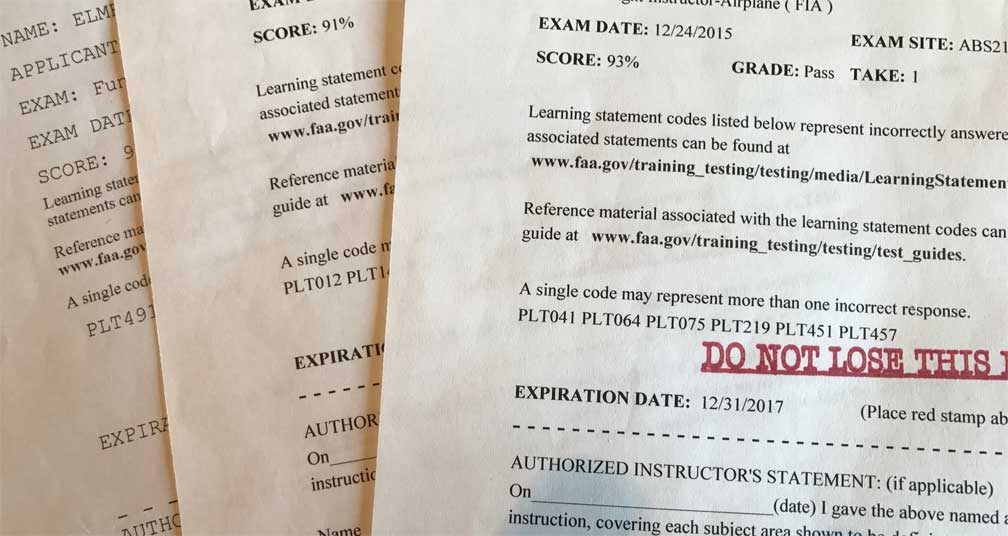
Failing your FAA written exam and having to retake it costs money — not just the retest fee, but often additional study time, a required endorsement from an instructor, and the psychological cost of delay. Passing confidently on the first attempt is one of the clearest ways to save money during training.
A strong written test score also signals to your flight instructor that you have a solid theoretical foundation, which can translate into fewer flight hours needed to demonstrate aeronautical knowledge during check rides. Examiners notice candidates who clearly understand the why behind procedures, not just the rote answers.
Aviation Test Prep offers free practice tests built around ACS-aligned practice questions — the same knowledge areas and task codes the FAA uses to structure its exams. Our platform was built by FAA-certified instructors and features Ace, our AI tutor, who provides detailed, plain-English explanations for every question so you understand the concept, not just the correct letter choice.
Our 5-step study method guides you through:
- Diagnosing your weak knowledge areas with an initial practice test
- Studying targeted content in those specific areas
- Drilling ACS-aligned practice questions with full explanations
- Reviewing missed questions until your score is consistently strong
- Taking full timed simulated exams to build test-day confidence
You can explore all available exams at aviationtestprep.com/browse-exams and see which certificate or rating applies to your training path.
Choose the Right Training Environment for Your Goals
Part 141 flight schools operate under FAA-approved structured syllabi, which can sometimes mean fewer required flight hours to reach certificate minimums compared to Part 61 training — though individual results vary significantly based on frequency of training and preparation. Part 61 training offers flexibility, which can be an advantage if your schedule is irregular, but that same flexibility can lead to gaps between lessons that slow your progress and drive up costs.
Consider these factors when evaluating training options:
- Training frequency: Flying two or three times per week is almost always more efficient — and ultimately cheaper — than once a week. Skills erode between infrequent lessons, forcing review time.
- Aircraft type and cost: Training in a simpler, lower-cost aircraft when appropriate can reduce hourly rental rates without sacrificing learning quality.
- Simulator availability: FAA-approved Aviation Training Devices (ATDs) can substitute for some flight time at a fraction of the aircraft rental cost, particularly for instrument procedures.
- Instructor fit: A good instructor-student fit improves communication and reduces wasted lesson time. It's acceptable — and smart — to find an instructor whose teaching style clicks with how you learn.
Budget Strategically and Track Your Progress
Many students approach flight training without a written budget, and without a budget it's easy to lose track of cumulative costs or training milestones. Build a realistic estimate of total training costs before you begin, factoring in likely hours beyond the regulatory minimums (most students need more than the minimum hours required). Then track your actual spending against that estimate throughout training.
A few additional budgeting strategies:
- Look into scholarships: Organizations like AOPA, EAA, and various aviation foundations offer scholarships for student pilots. Eligibility requirements vary, so research options early and check current details directly with each organization.
- Consider block time discounts: Some flight schools offer discounted rates when you pre-purchase a block of flight hours. Understand the refund policy before committing.
- Fly during off-peak hours: Some schools offer lower rates for early morning or weekday slots. Ask your school what flexibility exists.
- Join a flying club: Flying clubs typically offer lower hourly rates than commercial flight schools in exchange for monthly dues, which can result in significant savings for students who fly regularly.
Use Free FAA Resources Alongside Your Paid Prep
The FAA publishes a wealth of free study materials that every student pilot should use. The PHAK, AFH, Instrument Flying Handbook, and the relevant Airman Certification Standards (ACS) documents are all available at no cost on the FAA website. Understanding the ACS for your specific certificate tells you exactly what knowledge, risk management, and skill areas will be evaluated — eliminating guesswork from your study.
At Aviation Test Prep, our ACS codes reference page maps every practice question to its ACS task code, so you always know which official knowledge area you're studying. This transparency helps you allocate study time efficiently and avoid over-preparing in areas where you're already strong.
You can also visit our blog for additional study tips, test-taking strategies, and guidance from FAA-certified instructors on making the most of your training dollars.
Every Dollar Saved Is Another Hour Closer to the Sky
Saving money on flight training is less about finding shortcuts and more about eliminating waste — the wasted lesson time that comes from poor preparation, the retake fees from a rushed written exam, and the extended training timelines caused by infrequent flying. Every dollar you save through smarter ground study and disciplined preparation is a dollar that stays in your training budget and keeps you moving toward your certificate.
The combination of thorough self-study, consistent flying frequency, and a strong performance on your FAA written exam is the most reliable path to an efficient, affordable training experience. Start building that foundation today by taking a free practice test at Aviation Test Prep and see exactly where your knowledge stands before your next lesson.
Ready to pass your FAA written exam?