Mastering Emergency Procedures for Your Checkride
Why Emergency Procedures Can Make or Break Your Checkride
When it comes to mastering emergency procedures for your checkride, most student pilots underestimate just how much the evaluator is watching — not only whether you recall the right steps, but whether you demonstrate calm, organized decision-making under pressure. Emergency procedures are woven throughout the Airman Certification Standards (ACS), and examiners are trained to probe them on both the oral and practical portions of your evaluation. Getting comfortable with these scenarios before your big day is not optional — it is essential.
The good news is that emergency preparedness is one of the most trainable skill sets in aviation. With the right study approach, quality ACS-aligned practice questions, and guidance from FAA-certified instructors, you can walk into your checkride confident that you are ready for whatever the examiner puts in front of you.
Understanding What the ACS Actually Requires
Before you can master emergency procedures, you need to know exactly what the ACS demands of you. The ACS is the authoritative document that defines what you must know, consider, and do during your checkride. Each task is broken down into Knowledge, Risk Management, and Skills elements — and emergency procedures appear across multiple task areas depending on your certificate level.
For a private pilot candidate, expect evaluators to cover topics such as:
- Engine failure during and after takeoff
- Emergency approach and landing (off-airport)
- Systems and equipment malfunctions
- Emergency equipment and survival gear
- Fire (engine, electrical, and cabin)
- Abnormal landing gear operations (where applicable)
For instrument, commercial, and flight instructor candidates, the scope expands to include partial-panel emergencies, loss of communications procedures, and more nuanced systems failures. Knowing which ACS codes apply to your specific certificate is the first step toward targeted preparation. You can explore ACS code breakdowns at aviationtestprep.com/acs-codes to see exactly which knowledge areas align with each task.
The Knowledge Test Is Your First Checkpoint
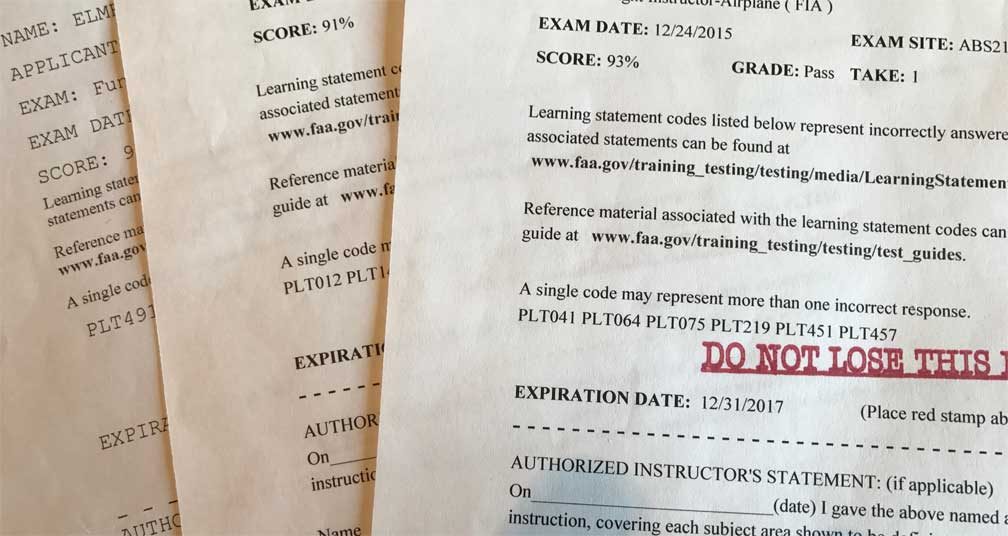
Many candidates separate their written test prep from their checkride prep, but that is a missed opportunity. The FAA knowledge test plants the seeds for the oral exam. Questions about emergency procedures on the written test mirror the concepts your examiner will probe verbally — and in some cases word-for-word.
Working through ACS-aligned practice questions on emergency topics does more than help you pass the knowledge test. It builds the mental vocabulary and conceptual framework you will rely on when an evaluator asks,
Ready to pass your FAA written exam?