What to Expect During a Discovery Flight
Your First Step Into Aviation Starts with a Discovery Flight
A discovery flight is one of the most memorable experiences in aviation, and for many pilots it is the moment everything clicks. Whether you have been dreaming about flying since childhood or you just want to see what it feels like to leave the ground, a discovery flight is the ideal first step. It is typically a short introductory lesson—usually between 30 and 60 minutes in the air—offered by flight schools and independent flight instructors across the country. You get to ride in a small aircraft, take the controls, and get a real sense of what pilot training actually involves. This article walks you through exactly what to expect, so you can show up prepared, confident, and ready to make the most of the experience.
What Is a Discovery Flight?
A discovery flight is an introductory flight lesson, often subsidized or offered at a reduced rate by flight schools to give prospective students a taste of pilot training. It is not just a scenic ride—you will typically handle the controls yourself for at least part of the flight, guided by an instructor. Many schools log the time from a discovery flight toward your total flight hours, which means it can officially count as your very first lesson toward a private pilot certificate.
The aircraft used is almost always a small, single-engine trainer like a Cessna 172 or Piper Cherokee. These planes are forgiving, reliable, and specifically designed for learning. Do not worry about the size—these aircraft are sturdy, well-maintained, and flown by instructors who know them inside and out.
Before You Arrive: How to Prepare for Your Discovery Flight
One of the best things you can do before your discovery flight is learn a little about how airplanes fly. You do not need to become an expert overnight, but understanding basic concepts like lift, drag, thrust, and how the controls work will make your time in the cockpit far more rewarding. You will have context for what your instructor is explaining, and you will be able to ask better questions.
Here are a few practical tips to get ready:
- Wear comfortable clothing. Small aircraft can get warm on the ground and cooler at altitude, so layers are a good idea.
- Eat a light meal beforehand. Flying on an empty stomach is not ideal, but a heavy meal is not great either, especially if you are prone to motion sickness.
- Bring government-issued ID. Flight schools are required to verify identification before flight instruction, particularly under TSA regulations.
- Write down your questions. You will likely have a lot on your mind—jot down anything you want to ask the instructor before the day's excitement makes you forget.
- Get adequate sleep. You want to be alert and present to absorb everything.
The Preflight Walkthrough: Your First Real Lesson
When you arrive at the flight school, your instructor will greet you and spend time going over the basics before you ever set foot near the airplane. Expect a brief ground session covering the aircraft's controls, what to expect in the air, and basic safety procedures. This is also your chance to ask anything on your mind.
Next comes the preflight inspection—and this is genuinely exciting. Your instructor will walk you around the airplane checking fuel levels, control surfaces, tires, lights, and dozens of other items. This is not just a formality; it is a real, methodical safety check that every pilot performs before every flight. Watching a trained instructor move through a preflight teaches you early on that aviation is a discipline built on checklists and attention to detail.
In the Cockpit: What Flying Actually Feels Like
Once you are strapped in and the engine is running, you will notice how different a small cockpit feels compared to a commercial airliner. The instrument panel is right in front of you, and every dial and switch is within reach. Your instructor will handle the radio calls and taxi the aircraft to the runway, narrating what they are doing and why.
Takeoff is often the moment people describe as transformative. The airplane accelerates down the runway and then, almost gently, lifts into the air. Many first-time flyers are surprised by how smooth it feels. Once airborne, your instructor will likely hand over the controls and let you try basic maneuvers such as gentle turns, climbing, and level flight. You will feel how responsive the aircraft is and begin to understand how coordinated inputs on the yoke or stick, rudder pedals, and throttle work together.
Do not worry about perfection. Nobody expects you to fly like a seasoned pilot on day one. Your instructor is right there with dual controls, and their job is to keep you safe while giving you as much hands-on experience as possible.
Common Questions First-Time Flyers Ask
Will I feel sick?
Motion sickness is a legitimate concern for some people, but most first-time flyers handle discovery flights just fine. If you are concerned, eat lightly beforehand, avoid reading in the cockpit, and focus on the horizon. Let your instructor know ahead of time—they can keep the flight smooth and avoid aggressive maneuvers.
What if I decide flying is not for me?
That is a completely valid outcome, and a discovery flight is the perfect low-stakes way to find out. Some people discover they love it; others realize it is not their calling. Either way, you leave with real experience and a clearer picture of your future.
How much does a discovery flight cost?
Pricing varies by location and school, but discovery flights are generally priced to be accessible as an introductory offer. Check with local flight schools for current rates, and verify what is included—some bundle the instructor fee and aircraft rental together while others price them separately.
Turning Your Discovery Flight Into a Study Plan
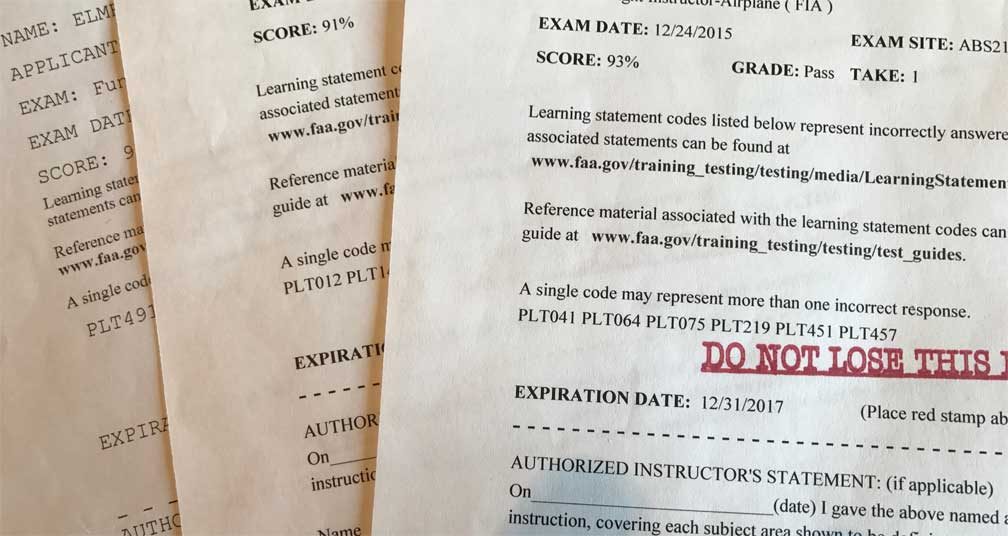
If your discovery flight sparks the desire to keep going—and for many people it does—the next step is understanding what full pilot training involves. Earning a private pilot certificate requires both flight hours and passing an FAA written knowledge test. That written test is where Aviation Test Prep comes in.
Our platform is built by FAA-certified instructors and offers ACS-aligned practice questions that mirror the format and subject matter of the actual FAA exam. We also offer Ace, our AI-powered tutor, who can answer your aviation questions in plain language, explain why a wrong answer is wrong, and help you build genuine understanding rather than just memorizing answers.
We use a structured 5-step study method that guides you from an initial diagnostic through focused topic review, timed practice tests, ACS code analysis, and a final readiness check. It is designed to build real knowledge—the kind that makes you a better pilot, not just someone who can pass a test.
Here is how to get started after your discovery flight:
- Explore the exams available on our platform at aviationtestprep.com/browse-exams to understand what the Private Pilot written test covers.
- Try a free practice test to see where you stand right now—no prior study required.
- Review ACS codes at aviationtestprep.com/acs-codes to understand exactly what the FAA expects you to know.
- Read more study tips and aviation insights on the Aviation Test Prep blog.
What Comes After the Discovery Flight?
A discovery flight is the beginning of a journey, not the destination. If you decide to pursue your private pilot certificate, you will build on everything you experienced during that first lesson. Your flight training will cover cross-country navigation, communications, emergency procedures, weather interpretation, and much more. The FAA written knowledge test runs parallel to your flight training, and passing it is a required milestone before your checkride.
The good news is that the knowledge you gain studying for the written exam directly supports what you are doing in the cockpit. Understanding weather theory helps you make better go or no-go decisions. Knowing airspace rules helps you communicate confidently with controllers. Study and flight training reinforce each other—and that is by design.
Ready to Take the Next Step?
A discovery flight can change the direction of your life. It has done exactly that for countless pilots who started with nothing more than curiosity and a willingness to show up. If yours left you wanting more, do not let the momentum fade. Start building your knowledge today alongside your flight training and give yourself every advantage possible.
Sign up free at Aviation Test Prep and take your first practice questions today—because what you learn on the ground makes you sharper in the air.
Ready to pass your FAA written exam?