Exploring Jobs in Aircraft Maintenance and Repair
Jobs in Aircraft Maintenance and Repair: A High-Demand Aviation Career Path
When most people think of aviation careers, they picture pilots in the cockpit. But the aviation industry runs just as much on the skilled professionals who keep aircraft airworthy on the ground. Jobs in aircraft maintenance and repair are among the most in-demand, technically rewarding, and well-compensated roles in the entire industry. Whether you are just beginning to explore aviation as a career or you are an aspiring pilot who wants to understand what happens on the ramp, this guide breaks down what these roles involve, how to qualify, and what to expect.
Why Aircraft Maintenance and Repair Jobs Matter
Aviation safety depends on rigorous maintenance. Every commercial flight, charter operation, cargo run, and private flight relies on maintenance professionals who inspect, repair, and certify aircraft as airworthy before they ever leave the ground. The FAA sets strict standards for aircraft maintenance through its regulatory framework, and every person who signs off on an aircraft's airworthiness is legally and professionally accountable for that work.
Beyond the safety angle, the demand for qualified maintenance professionals continues to grow. Industry forecasts from organizations like Boeing and aviation workforce groups consistently project a significant shortage of aviation maintenance technicians in the coming decades. If you are considering a stable, hands-on career in aviation, maintenance and repair is worth exploring seriously.
The Core Role: Airframe and Powerplant (A&P) Mechanic
The foundation of most aircraft maintenance careers is the Airframe and Powerplant (A&P) certificate, issued by the FAA. Technicians who hold this certificate are authorized to maintain, inspect, repair, and overhaul a wide range of aircraft systems. The certificate actually consists of two ratings:
- Airframe: Covers the aircraft structure, flight control systems, landing gear, hydraulics, fuel systems, and more.
- Powerplant: Covers engines — reciprocating and turbine — as well as propellers, exhaust systems, and fuel metering.
Most professionals pursue both ratings together, which is why you will often see the role simply called an A&P mechanic or AMT (Aviation Maintenance Technician). To earn the A&P certificate, candidates must meet FAA experience requirements — typically through an FAA-approved Aviation Maintenance Technician School (AMTS) or through documented on-the-job experience — and pass both oral and written knowledge tests along with practical exams.
Inspection Authorization (IA): The Next Level
After holding an A&P certificate and gaining hands-on experience, eligible technicians can apply for an Inspection Authorization (IA). Holders of an IA are authorized to conduct annual inspections on aircraft and return them to service — a responsibility that carries significant professional weight. The IA is not a certificate you earn through school alone; it requires meeting specific FAA experience criteria and passing a written test. For A&P mechanics who want to advance their careers and take on more responsibility, pursuing an IA is a natural next step. Check the current FAA requirements at faa.gov/mechanics to confirm the specific eligibility criteria.
Avionics Technician: The Electronics Specialist
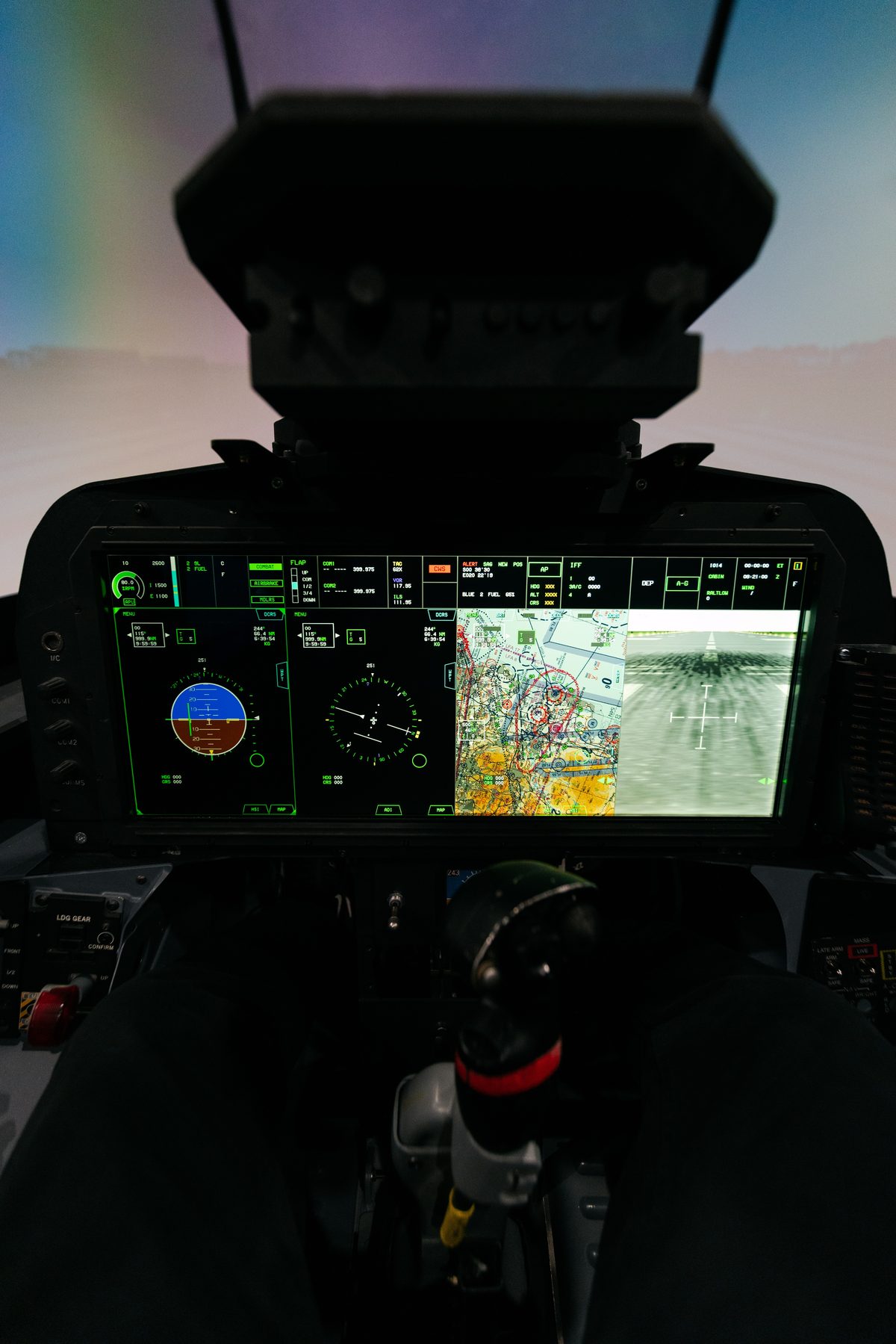
Modern aircraft are packed with sophisticated electronics — GPS navigation systems, autopilots, weather radar, communication radios, and fly-by-wire flight control systems. Avionics technicians specialize in installing, maintaining, and troubleshooting these electronic systems. This role is distinct from the A&P mechanic path, though some professionals hold both qualifications.
Avionics work requires a strong foundation in electronics, reading wiring diagrams, and understanding complex integrated systems. Many avionics technicians come from electronics or electrical engineering backgrounds, military avionics training programs, or FAA-approved avionics schools. As aircraft become increasingly reliant on digital systems and software-driven avionics, this specialty is only going to grow in importance.
Other Specializations in Aircraft Maintenance
Beyond the classic A&P and avionics roles, the world of aircraft maintenance and repair includes a variety of specialized positions:
- NDT/NDI Technician (Non-Destructive Testing/Inspection): These specialists use techniques such as ultrasound, X-ray, eddy current, and dye penetrant to detect cracks, corrosion, and structural flaws without damaging the aircraft. NDT is especially common in commercial airline maintenance and military aviation.
- Aircraft Sheet Metal Technician: Focused on structural repairs, these professionals work with aluminum, composites, and other airframe materials to repair damage and maintain structural integrity.
- Composite Technician: As more modern aircraft — including commercial jets and drones — use composite materials like carbon fiber, specialists who understand composite repair are increasingly valuable.
- Quality Assurance Inspector: QA inspectors oversee maintenance processes, ensure regulatory compliance, and document that work meets FAA and airline standards. This role often requires significant experience as an A&P mechanic first.
- MRO Technician (Maintenance, Repair, and Overhaul): MRO facilities handle heavy maintenance, engine overhauls, and major modifications for airline fleets. Working in an MRO shop offers exposure to a wide variety of aircraft types and systems.
Where Do Aircraft Maintenance Professionals Work?
The diversity of employers in this field is one of its strengths. Aircraft maintenance technicians work in environments including:
- Commercial airlines — Line maintenance, heavy maintenance checks, and engine shops at major and regional carriers.
- General aviation facilities (FBOs) — Fixed-base operators provide maintenance services for private and charter aircraft at airports across the country.
- Corporate aviation flight departments — Private companies and high-net-worth individuals employ dedicated maintenance teams for business jets.
- Military and government — Both uniformed military roles and civilian contractor positions support government and defense aviation fleets.
- Aircraft manufacturers — Companies like Boeing, Airbus, and their suppliers employ technicians in manufacturing, final assembly, and flight test operations.
- MRO companies — Independent shops that service airline and business aviation fleets on contract.
- Drone and UAV operators — As unmanned aviation grows, so does demand for technicians who can maintain these systems.
How Understanding Maintenance Helps Pilots Too
If you are a student pilot or working toward your private, instrument, or commercial certificate, understanding the basics of aircraft maintenance is genuinely valuable. The FAA's Airman Certification Standards (ACS) for pilot certificates include knowledge of aircraft systems, preflight inspection procedures, and understanding what maintenance discrepancies mean for airworthiness. Knowing what your A&P mechanic is looking at during an annual inspection or 100-hour inspection makes you a more informed, safer pilot.
At Aviation Test Prep, our ACS-aligned practice questions — built with input from FAA-certified instructors — include systems knowledge and maintenance concepts that show up on FAA written tests for pilots. Understanding how aircraft systems work is not just maintenance knowledge; it is pilot knowledge too. Explore our ACS codes and subject areas to see how systems knowledge maps to your specific knowledge test.
Getting Started in Aircraft Maintenance
Here is a straightforward path for someone new to this field:
- Research FAA-approved AMTS programs near you. These programs typically run 18–24 months and prepare you to take the A&P knowledge, oral, and practical tests.
- Understand the FAA knowledge test requirements. Like pilot knowledge tests, the A&P written tests require dedicated study. Familiarize yourself with the subject areas at aviationtestprep.com/browse-exams.
- Consider your specialization early. Do you love engines? Electronics? Structures? Having a sense of your interests early can help you focus your training.
- Explore the military pathway. Military aviation training programs are a well-established route into civilian aviation maintenance careers, with transferable experience and credentials.
- Network at your local airport. General aviation airports are welcoming communities. Talking to working A&P mechanics is one of the best ways to learn what the day-to-day reality of the job looks like.
A Career Worth Considering
Jobs in aircraft maintenance and repair offer something that is increasingly rare: genuinely skilled, hands-on work that directly contributes to safety and that cannot easily be outsourced or automated. The career paths are varied, the demand is real, and the work is meaningful. Whether you are drawn to turning wrenches on a turbine engine, tracing wiring faults in an avionics bay, or managing quality assurance for a major airline, aviation maintenance has a role for you.
If you are also working toward a pilot certificate and want to sharpen your aircraft systems knowledge at the same time, try a free practice test at Aviation Test Prep — our AI tutor Ace and our 5-step study method will help you master the material, topic by topic, at your own pace.
Ready to pass your FAA written exam?