The Best Electronic Flight Bags (EFBs) for Pilots

Why Every Pilot Should Know About Electronic Flight Bags (EFBs)
Whether you're a student pilot preparing for your first solo or a seasoned aviator logging hours across the country, electronic flight bags (EFBs) have become an essential part of modern cockpit operations. Gone are the days of hauling a 40-pound flight bag stuffed with paper charts, approach plates, and airport facility directories. Today's EFBs consolidate all of that information — and much more — into a single tablet or smartphone app. In this guide, we'll break down the best electronic flight bags for pilots, what to look for when choosing one, and how a solid understanding of EFBs can even help you on your FAA written test.
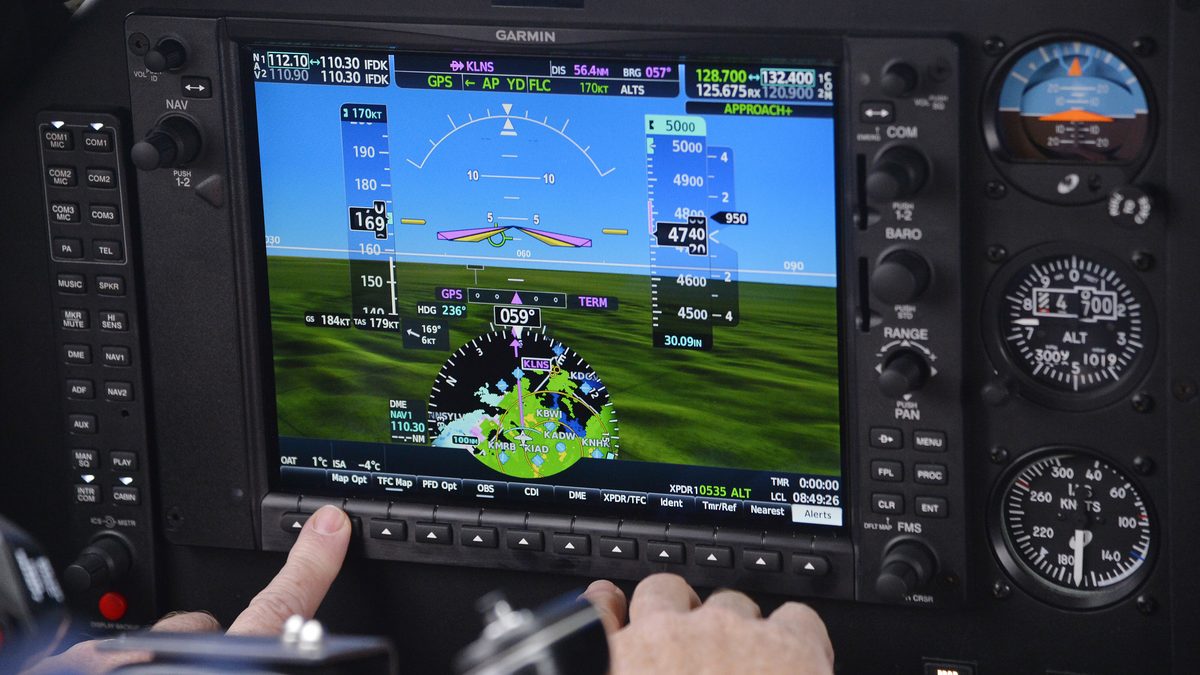
What Exactly Is an Electronic Flight Bag?
An electronic flight bag is a hardware device, software application, or combination of both that replaces traditional paper-based cockpit resources. The FAA broadly categorizes EFBs into portable and installed types, and the regulatory framework surrounding them has evolved considerably as the technology has matured.
At their core, EFBs typically provide:
- Digital aeronautical charts — including sectional, IFR enroute, and terminal area charts
- Instrument approach procedures — regularly updated digital approach plates
- Airport information — replacing the traditional Airport/Facility Directory (now called the Chart Supplement)
- Weight and balance tools — digital calculators for loading your aircraft correctly
- Flight planning — route planning, fuel planning, and weather integration
- Moving map with GPS — real-time situational awareness in the cockpit
Understanding how EFBs work, what data they display, and how to interpret that data is increasingly tested on FAA knowledge exams — another reason to get comfortable with this technology early in your training.
Top Electronic Flight Bag Apps for Pilots
Most pilots today use a tablet or iPad running a dedicated EFB application. Here are the most widely used and respected options in the general aviation community:
ForeFlight
ForeFlight is arguably the most popular EFB app among U.S. general aviation pilots, and for good reason. It offers a deeply integrated experience that includes:
- Continuously updated Jeppesen or FAA charts
- Robust flight planning with NavLog generation
- Built-in weather tools including METARs, TAFs, SIGMETs, and PIREPs
- Logbook integration and aircraft performance profiles
- Synthetic vision and track-up moving maps
ForeFlight operates on a subscription model and supports iPhone and iPad. Many flight schools and airlines standardize on ForeFlight, making it a smart choice if you're planning a professional aviation career.
Garmin Pilot
If you're flying a Garmin-equipped aircraft, Garmin Pilot integrates seamlessly with panel-mounted avionics via Connext wireless technology. It offers excellent chart coverage, a clean interface, and tight integration with devices like the GDL 50 ADS-B receiver. Pilots who already invest in the Garmin ecosystem often prefer this app for its cohesion and reliability.
FlyQ EFB
FlyQ by Seattle Avionics is a strong value alternative, particularly appreciated for its offline capability and clean moving-map display. It's a solid choice for pilots looking for comprehensive functionality at a lower annual cost than some competitors.
AvPlan EFB
Popular in Australia and increasingly used internationally, AvPlan EFB offers excellent chart data and flight planning tools. Pilots flying internationally should evaluate which apps provide the best coverage for their region of operation.
CloudAhoy
While CloudAhoy isn't a full-featured chart app, it deserves mention as a powerful debrief and flight analysis tool. Many student pilots use it alongside another EFB to review their flights and accelerate skill development.
Hardware Options: iPads, Tablets, and Dedicated Devices
The most popular EFB hardware choice among general aviation pilots is the Apple iPad, particularly the iPad mini for its compact size and the standard iPad for its larger display. Here's what to consider when selecting hardware:
- Display brightness — You need a screen readable in direct sunlight. Look for high nit ratings and consider a matte screen protector.
- GPS capability — Cellular-equipped iPads have built-in GPS; Wi-Fi only models do not. Many pilots use an external ADS-B receiver like the Stratus or Garmin GDL series, which also provides GPS and weather data.
- Battery life — Long cross-countries demand strong battery performance. Carry a portable battery pack as backup.
- Mounting — Invest in a quality kneeboard or cockpit mount to keep your EFB secure and accessible without becoming a hazard.
- Ruggedization — Some pilots prefer Android-based rugged tablets for their durability. Brands like Samsung Galaxy Tab are also widely used with compatible EFB apps.
ADS-B Receivers: Supercharging Your EFB
Pairing your EFB app with a portable ADS-B receiver dramatically expands its capabilities. Devices like the Stratus 3, Garmin GDL 52, and Sentry provide:
- FIS-B weather data (METARs, TAFs, Nexrad radar) delivered to your tablet in flight
- TIS-B traffic information for enhanced situational awareness
- Precise GPS positioning
- AHRS data for synthetic vision displays on some apps
These receivers have made real-time cockpit weather awareness accessible to virtually every general aviation pilot, which is a genuine safety advancement worth investing in.
How EFB Knowledge Relates to Your FAA Written Test
You might be wondering — what does all this have to do with passing your FAA knowledge exam? Quite a bit, actually. The FAA's Airman Certification Standards (ACS) include topics related to aeronautical charts, weather products, flight planning, and airspace — all of which you'll interact with through your EFB every time you fly.
Understanding how to read a sectional chart digitally, how to interpret weather products displayed in your EFB, and how to use weight and balance tools all directly reinforce the concepts tested on written exams. Students who actively use an EFB during training tend to have stronger real-world context for abstract test questions.
At Aviation Test Prep, our FAA-certified instructors have built ACS-aligned practice questions that mirror exactly the kind of aeronautical knowledge the FAA expects you to demonstrate. You can explore questions by ACS topic area, so if you're weak on chart interpretation or weather products, you can target those areas directly.
Our AI tutor, Ace, is available to walk you through difficult concepts in plain language — the same way a knowledgeable instructor would explain why a particular answer is correct or why the others fall short. This is part of our 5-step study method: assess your baseline, study by topic, practice with ACS-aligned questions, review explanations with Ace, and simulate test conditions before your actual exam.
Choosing the Right EFB for Your Flying
There's no single
Ready to pass your FAA written exam?