Essential Apps Every Pilot Should Have

Essential Apps Every Pilot Should Have in Your Aviation Toolkit
Whether you're a student pilot preparing for your first solo or a seasoned aviator planning a cross-country flight, the essential apps every pilot should have can make a meaningful difference in safety, situational awareness, and overall flight preparation. Mobile technology has transformed the way pilots plan, brief, and fly—but with so many options available, it can be overwhelming to figure out which apps genuinely earn a place on your device. In this guide, we break down the key categories of aviation apps and highlight what to look for in each one, so you can build a cockpit toolkit that works for you.
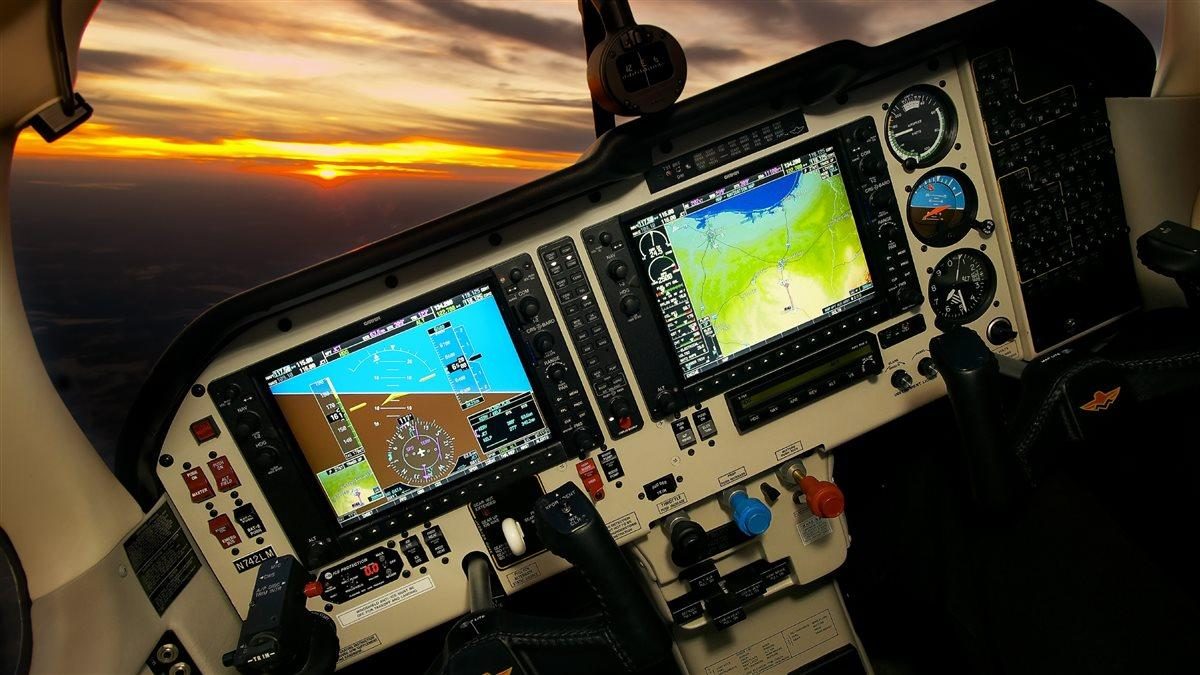
Why Aviation Apps Matter for Modern Pilots
Not long ago, pilots relied entirely on paper charts, printed weather reports, and physical flight computers to plan every leg of a journey. Today, a smartphone or tablet can put real-time weather, interactive sectional charts, digital checklists, and regulatory references right in the palm of your hand. This doesn't eliminate the need for sound aeronautical decision-making—but it does give pilots access to better information, faster.
It's worth noting upfront: no app replaces proper training, a qualified instructor, or official FAA guidance. Apps are tools. Used wisely, they enhance your flying; used carelessly, they can create distractions or false confidence. Always verify critical flight information through official sources and consult a certificated instructor when in doubt.
Electronic Flight Bag (EFB) Apps
An Electronic Flight Bag app is arguably the most important category for any pilot. EFBs replace the heavy bag of paper charts, approach plates, and enroute maps with a single, searchable digital interface. When evaluating an EFB, look for the following features:
- Regularly updated charts: Sectionals, IFR enroute charts, and approach plates should reflect the current AIRAC cycle. Outdated charts are a safety hazard.
- GPS integration: The ability to display your position on a moving map—either via the device's built-in GPS or an external receiver—is essential for situational awareness.
- Offline capability: You will not always have a reliable data connection in flight. Download charts and data for your planned route before departure.
- Weight and balance tools: Many EFB apps include aircraft-specific W&B calculators that can speed up preflight planning significantly.
- Flight plan filing: Some apps allow you to file IFR or VFR flight plans directly through the FAA's system.
Popular EFB platforms include ForeFlight, Garmin Pilot, and FltPlan Go, among others. Evaluate each based on the aircraft you fly, the type of operations you conduct, and your budget. Many offer free trials, so take advantage of those before committing.
Weather Briefing and Aviation Weather Apps
Weather is one of the leading factors in general aviation accidents. Having reliable, easy-to-read weather data at your fingertips is non-negotiable. Essential weather app features include:
- METARs and TAFs: Current and forecast conditions at airports along your route.
- PIREPs: Pilot reports provide real-world observations about turbulence, icing, and visibility that models can't always capture.
- SIGMETs and AIRMETs: Significant meteorological information and airmen's meteorological information alerts you to hazardous conditions such as turbulence, icing, and IFR conditions.
- Winds and temperatures aloft: Critical for fuel planning and determining the most efficient cruise altitude.
- Radar and satellite imagery: Animated radar loops help you visualize storm movement and identify areas to avoid.
The FAA's Aviation Weather Center at
Ready to pass your FAA written exam?