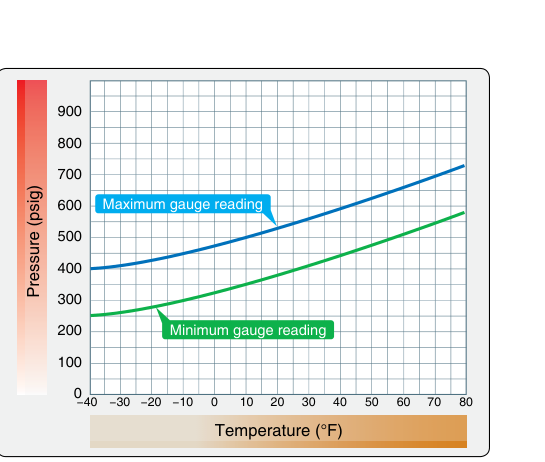
Aircraft engine fire protection systems depend on more than just the right extinguishing agent — they depend on that agent being stored at the correct pressure, fully charged, and ready to discharge the instant it is needed. A fire extinguisher that fails to activate during an actual engine fire is catastrophically worse than no system at all, because it creates a false sense of protection. For that reason, the FAA and manufacturers require aircraft maintenance technicians (AMTs) to perform disciplined, routine pressure checks and to follow precise recharge procedures whenever a container has been discharged, partially discharged, or found out of specification. This article covers the inspection, pressure-check methodology, and recharge steps that every powerplant AMT needs to understand — both for the FAA Knowledge Test and for safe maintenance practice in the shop.
Types of Fire Extinguisher Containers Used in Aircraft Engines
The most common engine fire suppression agent in certified aircraft today is Halon 1301 (bromotrifluoromethane), stored in spherical or cylindrical high-pressure containers. Older systems used Halon 1211 or carbon dioxide (CO₂). Halon 1301 is particularly well-suited to engine nacelle applications because it extinguishes fires chemically, interrupting the combustion chain reaction, and it leaves no corrosive residue on engine components. CO₂ systems work by displacing oxygen, but they are less effective in high-airflow nacelle environments and are generally found on older aircraft. The type of agent determines both the storage pressure and the recharge procedure, so the technician must consult the aircraft maintenance manual (AMM) and the applicable manufacturer's service data before performing any work on a fire bottle.
Containers are typically identified by a color-coded pressure gauge or a red blowout disk (also called a thermal discharge indicator) mounted on the container or in the discharge line. The blowout disk ruptures and ejects a red indicator flag when the container has discharged due to excessive heat — a clear visual signal visible to ground crews during a walk-around inspection. Some installations also include an electrical continuity cartridge (squib) that fires the discharge valve; the squib circuit must be verified as part of any servicing procedure.
How Pressure Checks Work
The pressure inside a fire extinguisher container is the primary go/no-go indicator of serviceable charge. Because the agent (typically Halon 1301) is stored as a liquefied gas, the pressure inside the container varies with temperature. Manufacturers publish pressure-temperature charts in the AMM that correlate the ambient temperature at the time of inspection with the acceptable pressure range. This relationship is critical: a container that reads low pressure on a cold day may actually be properly charged, while the same reading on a hot day would indicate a definite undercharge.
The inspection procedure generally follows these steps:
- Locate the pressure gauge. Most modern containers have a built-in Bourdon-tube pressure gauge visible through an access panel. Some older installations may require attaching an external test gauge, per the specific procedures in the applicable aircraft or component maintenance manual.
- Record the ambient temperature at the container location. Nacelle temperatures can differ from ambient air temperature if the aircraft has recently been operated, so allow adequate cooling time or note the actual reading.
- Compare the measured pressure to the manufacturer's pressure-temperature chart. If the pressure falls within the acceptable band for the recorded temperature, the container is serviceable. If it falls below the minimum line, the container is undercharged and must be recharged or replaced before the aircraft is returned to service.
- Inspect the blowout disk and thermal indicator. A missing or ejected red flag means the container discharged thermally at some point — even if the gauge still shows pressure, the container must be considered suspect and removed for shop inspection.
- Inspect the squib (discharge cartridge). The squib has a defined service life and must be replaced at the manufacturer's specified interval regardless of how many times it has or has not been fired. A fired squib gives no external indication of discharge; electrical resistance testing of the squib circuit is required to confirm continuity.
Why Pressure Checks Matter
Loss of extinguishing agent from a container — called agent leakage — is more common than many technicians expect. The fittings, discharge valves, and container walls are all potential leak points. A slow leak may not be apparent from the flight deck, but over months or years it can reduce the charge to the point where the system cannot suppress a fire. FAA Advisory Circulars and manufacturer service letters typically specify annual or more frequent pressure checks as part of the aircraft's approved maintenance program. Operators flying under 14 CFR Part 121 (air carriers) follow the specific pressure-check and recharge intervals established in their FAA-approved maintenance program, which is typically based on the manufacturer's maintenance planning document rather than a single blanket rule.
Pressure loss has two common sources: agent leakage (the liquid/gas escaping past a fitting) and pressurizing gas leakage (some containers use a separate charge of dry nitrogen to propel the agent; nitrogen loss drops pressure without reducing agent quantity). Understanding the difference matters during recharge, because the technician must add the correct constituent — not simply pump up the pressure with nitrogen if the agent itself is low.
Recharge Procedures
Recharging a fire extinguisher container is a highly regulated process. In most cases, the AMM will specify that containers must be removed and sent to an FAA-approved repair station or the manufacturer for recharge, because the equipment required — calibrated agent scales, high-pressure nitrogen charging rigs, leak-test chambers — is not found on a typical flight-line. However, understanding the process is essential for the Knowledge Test and for supervising and verifying the work.
General Recharge Steps
- Depressurize and purge the container. Any residual pressure must be safely vented through an appropriate bleed valve before opening any fittings. Halon 1301, while relatively low in acute toxicity, must be vented in a well-ventilated area or captured with a recovery system. EPA regulations under the Clean Air Act (including halon emission reduction requirements at 40 CFR Part 82, Subpart H) restrict deliberate Halon release; recovery equipment is required by law in most jurisdictions.
- Inspect the container interior and all fittings. Before recharging, technicians inspect the container body for corrosion, dents, and thread damage. Any container with visible structural damage is condemned and not returned to service.
- Weigh the container. The correct charge is determined by weight of agent, not by pressure alone. The tare weight (empty container weight) is stamped on the container. The AMM specifies the required agent weight. The technician fills the container on a calibrated scale until the gross weight equals tare weight plus specified agent weight.
- Pressurize with dry nitrogen. On systems that use nitrogen as a propellant, nitrogen is added to the specified pressure after the agent charge is confirmed by weight. The nitrogen source must be dry (moisture-free) to prevent contamination.
- Leak test. The recharged container is leak-tested, typically using a calibrated electronic halogen leak detector (since Halon is a halogenated compound). All fittings, valve bodies, and the blowout disk assembly are probed for leakage.
- Install a new squib and blowout disk. These components are replaced as a matter of course whenever the container is recharged.
- Record the recharge data. The new gross weight, recharge date, recharge pressure, and the identity of the technician performing the work are entered in the aircraft maintenance record. The container is tagged with a serviceable tag showing the next inspection due date.
Key Numbers and Rules
- Pressure is temperature-dependent: Always use the manufacturer's pressure-temperature chart — never judge a container serviceable or unserviceable by pressure alone without knowing the temperature.
- Charge quantity is verified by weight: The correct Halon charge is determined gravimetrically (by weighing), not by pressure reading.
- Blowout disk ejection = automatic removal from service: A discharged red thermal indicator flag means the container must come off the aircraft immediately, regardless of gauge reading.
- Squib service life: Squibs have a calendar life and/or a cycle limit specified by the manufacturer. They must be replaced even if never fired.
- Halon recovery required: EPA regulations under the Clean Air Act, including halon emission reduction rules at 40 CFR Part 82, Subpart H, restrict deliberate Halon venting; recovery equipment must be used.
- Approved data governs: All recharge and inspection procedures must be performed in accordance with the aircraft's AMM and applicable manufacturer's service instructions, per 14 CFR Part 43.
Common Test Traps
- Confusing pressure check with charge verification. The FAA exam frequently tests the fact that pressure alone does not confirm a proper charge — the container must also be weighed to confirm the correct agent quantity is present. A container can read correct pressure yet be undercharged if extra nitrogen was added to compensate for agent loss.
- Ignoring the pressure-temperature relationship. Test questions often present a pressure reading without a temperature and ask whether the container is serviceable. The correct answer is that you cannot determine serviceability without consulting the pressure-temperature chart at the known temperature.
- Assuming a gauge reading means the squib is good. Pressure and squib condition are independent. A container can be fully charged with a failed or already-fired squib — the system would not discharge when commanded.
- Overlooking the blowout disk indicator. A question may describe a pre-flight inspection finding of a missing red flag on the discharge line. Students sometimes think this is a minor discrepancy; it is grounds for grounding the aircraft until the container is inspected and recharged.
- Thinking any technician can recharge Halon containers on the ramp. Recharging requires calibrated equipment and is almost always performed at an approved repair station. An AMT who simply adds nitrogen to bring the pressure up — without verifying agent weight — has not properly recharged the container and may have masked a dangerous undercharge.