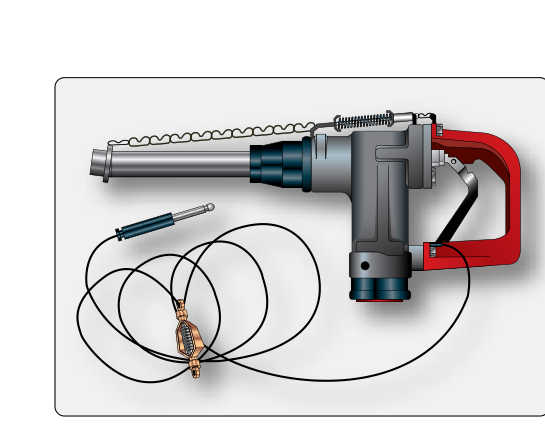
Every time fuel flows through a hose, pipe, or tank, electrons are stripped away from molecules by friction — a process that builds up static electric charge. On an aircraft, that invisible charge can accumulate to thousands of volts in a matter of seconds. If that energy discharges as a spark near fuel vapors, the result can be catastrophic ignition. Bonding and grounding are the two complementary techniques that aviation maintenance technicians (AMTs) use to keep static electricity under control throughout a fuel system, both on the ground during servicing and in flight. Understanding why each method works, how they differ, and what standards govern them is essential knowledge for the FAA Airframe knowledge test and for safe maintenance practice.
These concepts are grounded — in the literal sense — in the Aircraft Fuel Systems topic area of the FAA Aviation Maintenance Technician Handbook: Airframe (FAA-H-8083-31) and align with 14 CFR Part 43 requirements for maintenance that ensures continued airworthiness. Let's break them down completely.
Static Electricity in Fuel Systems: The Core Problem
Static charge generation in fuel systems happens through a process called triboelectric charging. As fuel moves through filters, hoses, and fittings, the friction between fluid molecules and solid surfaces causes charge separation. The fuel becomes charged, while the surrounding components carry the opposite charge; the specific polarity depends on the fuel, materials, and additives involved. Even aviation-grade Jet-A or avgas, which have very low electrical conductivity, accumulate and retain this charge effectively because they do not allow the charge to dissipate through the fuel itself.
The danger zone is the fuel vapor-air mixture that exists above the liquid fuel surface in tanks, around vent openings, and near fuel caps during servicing. This mixture can be within the explosive range under the right temperature and pressure conditions. A static discharge — essentially a tiny lightning bolt — carries more than enough energy to ignite that mixture. Industry experience and accident data make clear that static-induced fuel fires are a real, recurring hazard, not a theoretical concern.
Two distinct but related solutions address this hazard: bonding equalizes the electrical potential between two conductive objects, and grounding connects the entire system to the earth, which acts as an infinite reservoir capable of absorbing any charge.
Bonding: Equalizing Potential Between Components
Bonding means creating a low-resistance electrical path between two separate conductive parts so they share the same electrical potential. When two objects are at the same potential, no voltage difference exists between them, and therefore no spark can jump between them — sparks only occur when there is a potential difference.
On an aircraft fuel system, bonding is used in several critical locations:
- Fuel tank to airframe: Each fuel tank must be bonded to the airframe structure so the tank and the surrounding metal are always at the same potential, eliminating any voltage difference across the tank wall.
- Fuel lines and fittings: Every section of metal fuel tubing and every fitting, valve, and selector must be bonded together. Flexible hose sections interrupt the conductive path, so bonding jumpers — short, flexible wires with bonding clamps on each end — bridge across non-conductive sections to maintain electrical continuity.
- Fuel caps: Many aircraft designs include a bonding feature built into the fuel cap itself, ensuring the cap remains bonded to the tank filler neck at all times.
- Filters and fuel-control components: Fuel strainers, boost pumps, and fuel-control units must all be bonded into the same network.
Bonding wires and jumpers are typically made of flexible braided copper or stainless steel, sized to carry any anticipated static current. The resistance of a completed bond must be extremely low — typically in the milliohm range, with AC 43.13-1B citing a maximum of about 0.03 ohm for structural bonding. AMTs verify bonding continuity using a low-range ohmmeter or a dedicated bonding resistance tester as part of fuel system inspections. Corrosion, loose clamps, broken strands in braided wire, or paint inadvertently applied over bonding contact surfaces are all common causes of elevated bonding resistance that must be corrected.
Grounding: Connecting the Aircraft to Earth
Grounding extends the bonding concept by connecting the entire aircraft electrical network — including all bonded fuel system components — to the earth itself. Since the earth has essentially infinite capacity to absorb or supply electrons, connecting to it ensures that any accumulated charge simply flows away harmlessly.
During fuel servicing on the ground, grounding is the primary defense against static ignition. The proper procedure, as described in FAA-H-8083-31 and reinforced by airport fueling standards, is:
- Connect a grounding wire from the aircraft to a designated ground point — a metal stake or rod driven into the earth, or an approved grounding lug on the fueling ramp — before any fuel caps are removed or any fuel begins to flow.
- Bond the fuel nozzle or fueling equipment to the aircraft before beginning fueling. This bonds the fuel truck and aircraft together so they reach the same potential, preventing a spark as the nozzle approaches the filler neck.
- Only after both grounding and bonding are established should fueling begin.
- At the conclusion of fueling, replace all fuel caps securely, then remove the bonding connection from the fuel nozzle, and finally remove the grounding connection from the aircraft.
The order of connection and disconnection matters. Grounding must be connected first and removed last so there is always a safe path for any charge to dissipate. Disconnecting ground prematurely — while the aircraft or fueling equipment still carries a charge — can create the very spark you are trying to prevent.
In flight, grounding to the earth is not possible, so bonding among all fuel system components takes over as the sole protection. The airframe itself acts as the reference potential for the entire system. Maintaining bonding integrity in flight remains an airworthiness requirement — a broken bonding jumper on a wing fuel line could allow charge to accumulate on an isolated section of plumbing during fuel transfer, with no path to dissipate it.
Static Discharge Wicks: Discharging in Flight
Aircraft also use static discharge wicks (sometimes called static dischargers or static wicks) mounted on trailing edges of control surfaces, wingtips, and tail surfaces. These devices bleed off the charge that accumulates on the aircraft skin as it flies through the air and precipitation. Wicks are primarily installed to dissipate airframe static charge and reduce radio/avionics interference and the risk of streamering. Static wicks are part of the bonded airframe network and must be inspected for security and continuity during routine maintenance.
Key Numbers and Regulatory Requirements
- Bonding resistance: AC 43.13-1B specifies a maximum of about 0.03 ohm for structural bonding; manufacturer specifications for fuel system bonds may vary.
- 14 CFR Part 43: Governs all maintenance and specifies that repairs must restore the original airworthiness of the aircraft, which includes restoring bonding connections disturbed during fuel system work.
- 14 CFR 25.899 and 25.954 (Transport Category): Section 25.899 establishes general electrical bonding and protection against lightning and static electricity, while 25.954 specifically addresses fuel system lightning protection; together they support bonding requirements for transport category aircraft fuel systems. Similar intent applies to small aircraft under Part 23 standards.
- Grounding sequence: Ground first, bond fuel nozzle second; reverse the order when disconnecting.
- Inspection intervals: Bonding continuity is typically verified during annual/100-hour inspections and after any fuel system component replacement or repair.
Common Test Traps
- Bonding vs. grounding confusion: Students often conflate these terms. Remember: bonding equalizes potential between two objects; grounding connects to the earth. Both are required; neither alone is sufficient during ground fueling.
- Resistance threshold: The test may ask what resistance value is acceptable for a bonding connection. The answer is very low — AC 43.13-1B specifies a maximum of about 0.03 ohm for structural bonding, often further restricted by manufacturer specifications. A high resistance reading means the bond is inadequate, even if a wire is visibly present.
- Order of operations: Questions often test whether you know that grounding the aircraft comes before opening fuel caps or connecting the fuel nozzle. Reversing the order defeats the entire purpose of the procedure.
- Non-conductive hose sections: Flexible hoses are insulators. A bonding jumper must bridge across any non-conductive flexible section, or that segment of the fuel system is electrically isolated and can accumulate a dangerous charge.
- In-flight bonding still matters: Some students assume bonding only matters during ground servicing. The FAA test can probe this — in flight, bonding among fuel system components is the only available protection against static discharge, making it equally critical.
Mastering fuel system bonding and grounding is not just about passing the FAA Airframe knowledge test — it is about understanding a safety system that prevents fires and explosions every time an aircraft is serviced. The principles are simple: eliminate voltage differences through bonding, drain accumulated charge through grounding, and always follow the correct sequence. These habits protect both the aircraft and the people working on it.