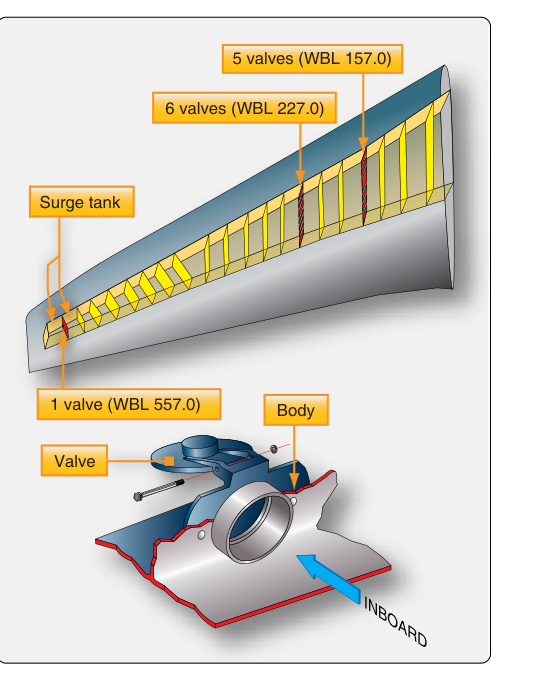
Every flight begins with a question: is the fuel in this aircraft clean, dry, and the correct grade? The answer comes from the fuel drain valves — small but critically important fittings installed throughout the aircraft fuel system. These valves allow a pilot or aviation maintenance technician (AMT) to draw a sample of fuel from the lowest points in the system, where water and particulate contamination naturally collect. A proper preflight fuel check has prevented countless engine failures over the decades, and understanding the hardware behind that check is both an FAA knowledge test topic and a core airframe maintenance competency.
This article covers the types of drain valves used on light general aviation aircraft, where they are located and why, and the correct procedures for drawing and interpreting fuel samples — from both the AMT's and pilot's perspectives.
Why Water and Contamination Collect in Fuel Systems
Aviation gasoline (avgas) and jet fuel are hydrophobic — they do not dissolve water — so any water that enters the fuel system settles out by gravity and accumulates at the lowest point of every fuel cell, sump, strainer bowl, and line. Water enters the system primarily through condensation: as fuel is consumed and tank ullage (empty space) increases, moist air is drawn in through the fuel tank vents. Temperature changes cause that moisture to condense into liquid water. Water can also enter through improperly sealed fuel caps, through contaminated refueling trucks, or during refueling in rain. Because water is denser than avgas, it sinks immediately. If enough water reaches the engine-driven fuel system, it can cause a partial or complete power loss — an especially serious event at low altitude during takeoff or climb.
Particulate contamination — rust, dust, tank sealant debris, or microbial growth in jet fuel — is equally dangerous because it can clog fuel filters, injector nozzles, or carburetor jets. Drain valves give technicians and pilots a direct look at the fuel before it ever reaches the engine.
Types of Fuel Drain Valves
Several drain valve designs are used on general aviation airframes. The two most common categories are self-closing (spring-loaded) valves and manually operated valves.
Self-Closing Spring-Loaded Valves
The most widely used design on light aircraft is a small button- or pin-type valve that requires the user to press or depress it with a drain tool or the edge of a sampling cup to open the valve. When pressure is released, an internal spring closes the valve automatically. This design minimizes the risk of accidentally leaving a drain open after sampling. A common commercial version uses a recessed center pin: the technician pushes the pin inward with a fingernail, a screwdriver, or a dedicated plastic drain tool to initiate flow. Because the valve closes the moment contact is released, a deliberate sustained action is required to collect an adequate sample volume.
Manually Operated Turn-Type Valves
Some older aircraft designs use a quarter-turn or half-turn valve with a slotted head that must be opened with a screwdriver or coin, then manually closed after sampling. These valves are mechanically simple but carry the risk of inadvertent omission — if the technician is interrupted mid-preflight, a turn-type drain could be left open. Whenever performing maintenance on aircraft equipped with these valves, a specific checklist step should verify that all drains are closed before returning the aircraft to service.
Recessed Sump Drains
Many wing tank sumps use a recessed design where the drain body is set flush with or slightly inside a protective recess in the lower wing skin. This protects the valve from impact damage during ground operations and helps prevent inadvertent actuation. The technician inserts the sampling tool upward into the recess to open the valve.
Locations of Fuel Drain Valves
The FAA's Aircraft Maintenance Handbook (FAA-H-8083-30) and the aircraft's Type Certificate Data Sheet (TCDS) and maintenance manual define the exact drain locations for a specific make and model. In general, drain points are installed at every low point where water could accumulate. For a typical high-wing single-engine aircraft with two integral wing tanks, you would expect to find drain valves at the following locations:
- Wing tank sumps: One or more drains at the lowest inboard and outboard corners of each fuel tank. On aircraft with bladder-style fuel cells, the sump is the lowest pocket in the bladder. On wet-wing (integral tank) designs, the sump is formed by the lower wing skin structure itself.
- Fuel selector valve or gascolator sump: The main fuel strainer (gascolator) is located at the lowest point of the fuel system between the tanks and the carburetor or fuel-injection servo. Its bowl catches water and sediment that pass through from the tanks. A drain at this point is often the most important sample to collect.
- Carburetor bowl drain (if applicable): Some carbureted engines have a drain at the float bowl. Draining this point purges water that may have accumulated within the bowl itself.
- Fuel line low points: Complex aircraft with long fuel line runs may have additional drains at low points in the lines between tanks and the engine compartment.
- Header tank or collector tank: Some designs use a small collector or header tank to ensure positive fuel flow to the engine; this tank will have its own sump drain.
On low-wing aircraft, the fuel is below the engine and must be pumped upward, so the fuel selector, main strainer, and boost pump are all located lower in the fuselage. The drain locations shift accordingly, but the principle — drain every low point — remains identical.
Preflight Fuel Sampling Procedure
The goal of sampling is to collect enough fuel from each drain point to observe its color, clarity, and the presence of water or sediment. A common standard is to drain a minimum of one fluid ounce per sample point, though the aircraft manufacturer's checklist may specify more. Always use a clear, clean sampling cup — cloudy or discolored plastic defeats the purpose of visual inspection.
- Gather equipment: Use a dedicated transparent fuel sampling cup, ideally one with a raised bump or depression on the bottom that concentrates any water droplet for easy identification. Have a rag to clean valve faces of surface water before sampling.
- Wipe the drain area: Surface water on the belly of the wing or fuselage can contaminate the sample before it even exits the valve. Wipe the area around the drain with a clean cloth first.
- Open the drain and collect the sample: For spring-loaded valves, press the actuating pin steadily and collect the fuel flowing from the valve. Allow at least an ounce to flow into the cup before closing the valve.
- Inspect the sample immediately: Tilt the cup and observe: avgas 100LL is dyed blue; avgas 100 (green); avgas 80 (red). Any sample that appears colorless or is visibly diluted may indicate the presence of water or an incorrect grade. Look for cloudiness (dissolved water in suspension — common in cold weather), visible globules of water on the bottom of the cup, or sediment and rust particles.
- Dispose of the sample safely: Do not pour sampled fuel back into the aircraft — once it has been collected, it may be contaminated. Dispose of avgas in an approved waste container or on a gravel or dirt surface away from ignition sources per local environmental guidelines.
- Repeat at every drain point: Skipping even one drain point defeats the purpose of the check. The gascolator is often sampled last, as it aggregates fuel from both tanks.
- Continue sampling until the fuel runs clear and free of water: If early samples show water contamination, keep draining (into an approved waste container) until the samples are clean. If you cannot clear the water, the aircraft is not airworthy and maintenance is required before flight.
Key Numbers and Rules
- Avgas 100LL is dyed blue and is the most common avgas grade in the United States today.
- Jet-A is colorless to straw-colored; misfueling an avgas piston engine with Jet-A is an extremely dangerous contamination scenario that a properly performed drain check can detect by color and smell.
- Water is heavier than avgas (specific gravity ~1.0 vs. ~0.72 for avgas), so it always sinks to sample-cup bottom and to tank low points.
- Cloudy or milky fuel indicates water in suspension — common when fuel is cold. Allow the sample to warm slightly and re-examine; if cloudiness clears, it was dissolved water coming out of solution. Visible free water still mandates further draining.
- The aircraft manufacturer's maintenance manual and the Pilot's Operating Handbook (POH) are the authoritative sources for the number and location of all required drain points on a specific aircraft.
- 14 CFR Part 43, Appendix D lists fuel system inspection as part of the annual inspection scope, confirming that drain valve condition, security, and proper sealing are a maintenance responsibility.
Common Test Traps
- Forgetting the gascolator: AMT and pilot test questions sometimes ask which drain is most important or most likely to collect contamination. The gascolator (main fuel strainer) aggregates fuel from all tanks and is arguably the single most critical drain point — do not skip it.
- Pouring samples back into the tank: A common misconception is that collected fuel can be returned to the tank to avoid waste. Once fuel is in an open sampling cup it is considered potentially contaminated and should not be reintroduced.
- Misidentifying water as clear fuel: Water is colorless and can look just like clean fuel in a dirty or scratched cup. Always use a clear cup and look for the water meniscus or droplet at the very bottom.
- Assuming one tank-sump drain covers the whole tank: Many aircraft tanks have multiple sumps at different corners; the test and real-world inspection both require draining every low point, not just one per tank.
- Confusing fuel grades by color: The FAA knowledge test may present scenarios involving misfueling. Remember: 100LL is blue, and Jet-A has a distinct kerosene odor. Color and smell together confirm correct grade during sampling.