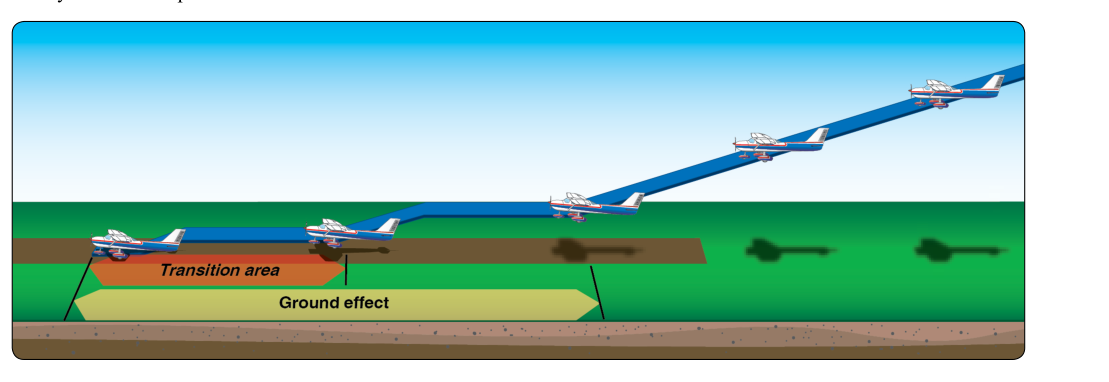
Soft-field operations represent one of the most aerodynamically demanding categories of normal flight maneuvers a commercial pilot must master. Whether the surface is wet grass, packed gravel, loose sand, mud, or snow-covered turf, the fundamental challenge is identical: minimize the time and distance during which the aircraft's weight rests on wheels that are fighting surface resistance, and instead transfer that weight to the wings — where it belongs — as rapidly and smoothly as possible. The Airplane Flying Handbook (FAA-H-8083-3) dedicates specific guidance to soft-field technique because the consequences of poor execution range from a prolonged, aborted departure to a propeller strike, gear collapse, or nose-over. For the commercial pilot certificate, soft-field takeoffs and landings are Airman Certification Standards (ACS) required tasks, and examiners evaluate not just mechanical compliance with the procedure, but genuine aerodynamic understanding and aircraft feel.
The Physics Behind the Procedure
Rolling resistance on a soft surface increases dramatically compared with a hard runway. Soft or loose material deforms under tire pressure, creating a continuously renewing "rut" ahead of each wheel. This drag force steals kinetic energy that would otherwise accelerate the aircraft toward flying speed. The solution is to reduce normal force on the tires — essentially by creating lift — as early as possible during the takeoff roll, and to minimize normal force on the tires as late as possible during the landing rollout.
Ground effect amplifies this strategy on takeoff. When an aircraft flies within approximately one wingspan's height above the surface, the ground interferes with the formation of wingtip vortices and reduces the downwash behind the wing. This reduction in downwash decreases induced drag and effectively reduces the angle of attack needed to produce a given amount of lift. The result is that an aircraft can fly — and accelerate — in ground effect at a speed that would not sustain flight even slightly higher. This is not a shortcut; it is a deliberate aerodynamic tool that soft-field technique exploits by design.
Soft-Field Takeoff: Step-by-Step
Continuous Taxi-to-Takeoff Flow
The first rule of the soft-field takeoff is to never come to a complete stop on the soft surface. Stopping allows the full aircraft weight to press down on all tires simultaneously and can cause the wheels to sink into the surface, sometimes to the point where the aircraft cannot move under its own power. Obtain takeoff clearance in advance and taxi onto the runway in one uninterrupted, smooth arc, aligning with the centerline while still moving. In tricycle-gear aircraft, apply full back pressure on the yoke or stick from the moment the aircraft is on the runway. This unloads the nosewheel, reducing the drag it would otherwise generate and preventing it from digging into the soft surface.
The Takeoff Roll and Lift-Off
With full back pressure and maximum allowable power applied smoothly, the aircraft will accelerate. Because of the high angle of attack maintained by the back pressure, the wings generate lift at a lower indicated airspeed than a standard rotation speed. The aircraft will become airborne — break all wheel contact — at a speed below normal rotation speed. This is expected and correct. Do not force it back down. The moment all wheels leave the surface, immediately and deliberately lower the pitch attitude slightly to capture the ground-effect flight regime. The aircraft should now be flying level, or nearly so, remaining close to the surface to stay within ground effect.
Accelerating Through Ground Effect
Hold this low, level attitude and allow airspeed to build. If obstacles exist beyond the departure end, accelerate to Vx (best angle of climb speed) before climbing. With a clear departure path, accelerate to Vy (best rate of climb speed) before initiating a sustained climb. The critical discipline here is patience: do not attempt to climb out of ground effect until the appropriate speed has been reached. Attempting to climb prematurely results in an increase in induced drag that the engine may not be able to overcome, causing the aircraft to settle back onto the soft surface — possibly at an even worse point than the departure end.
- Apply full back pressure during the entire takeoff roll to unload the nosewheel.
- Allow lift-off to occur naturally at a speed below normal rotation speed — do not force the aircraft to remain on the ground.
- Immediately lower pitch after lift-off to remain in ground effect and accelerate.
- Climb only after reaching Vx (obstacle) or Vy (clear departure), per the POH.
- Never stop on the runway surface; use a continuous taxi-to-takeoff flow.
Soft-Field Landing: Step-by-Step
The Approach
A stabilized approach is non-negotiable. Use full flaps as specified by the POH and fly at the normal approach speed recommended by the POH — soft-field approaches are typically flown at the same airspeed as a normal approach unless the POH specifies otherwise — to arrive over the threshold at a safe, controlled airspeed. Power should be managed carefully throughout; a slight amount of power carried into the flare helps the pilot control the rate of descent precisely and cushions the touchdown. The goal is a nose-high attitude at contact, touching down with the main gear at the lowest possible speed.
Touchdown and Rollout
Touch down on the main gear only, holding the nosewheel (or tailwheel, in conventional-gear aircraft) off the surface. In a tricycle-gear aircraft, maintain back pressure after the mains contact the ground. If useful, apply a small amount of power momentarily to help hold the nose up as speed decays. This prevents the nosewheel from being driven into the soft surface under the combined forces of aircraft weight and forward momentum, which can cause the nose gear to collapse or the propeller to strike the ground. Allow airspeed to bleed off naturally with the nose held high, then lower the nosewheel gently as elevator authority diminishes.
Use rudder for directional control rather than differential braking. On soft surfaces, aggressive braking causes the tires to dig in, dramatically increasing rolling resistance and risking a nose-over. Braking should be minimal — just enough to maintain control if directional correction is needed. Exit the runway promptly; pausing in the middle of a soft strip can allow tires to settle and make further movement difficult.
- Fly a stabilized, full-flap approach at the normal approach speed recommended by the POH.
- Carry a small amount of power through the flare to control descent rate.
- Touch down main gear first; hold the nosewheel off as long as practicable.
- Use rudder for directional control; minimize braking to prevent tire dig-in or nose-over.
- Exit the soft surface without stopping unnecessarily.
Key Performance Considerations
Because soft-field performance is highly surface-dependent, the pilot must consult the aircraft's Pilot's Operating Handbook (POH) for specific speeds, flap settings, and any manufacturer notes about unprepared-surface operations. Many POHs include a note about whether the aircraft is approved for operations on unpaved runways at all, and pilots should always review POH limitations, including any crosswind guidance, before conducting soft-field operations. Density altitude, aircraft weight, and surface condition all interact: a grass strip at high elevation on a hot afternoon can reduce climb performance dramatically, potentially making Vx the only viable initial climb speed even with no obstacles present. Always calculate soft-field takeoff distances using the most conservative applicable data.
Common Test Traps
- Climbing out of ground effect prematurely: This is the most commonly failed element on soft-field checkrides. Examiners watch for candidates who lift off and immediately pitch for a climb — the aircraft may mush, stall buffet, or settle back onto the surface.
- Stopping before the takeoff roll: Any complete stop on a soft surface defeats the entire purpose of the procedure. Plan the taxi so that alignment and power application are continuous.
- Confusing soft-field and short-field technique: Short-field takeoff uses a defined rotation speed and climbs immediately at Vx over an obstacle — it does not level off in ground effect. Soft-field technique deliberately uses ground effect to accelerate. These are distinct procedures with different ACS standards.
- Dropping the nosewheel immediately after touchdown: Allowing the nose to fall without deliberate back pressure is one of the most noted deviations during soft-field landing evaluations and can cause structural damage or a nose-over on very soft surfaces.
- Using excessive braking on rollout: Examiners look for smooth, rudder-based directional control during the rollout; heavy braking is both unsafe and a deviation from proper technique.
Memory Aid
Takeoff: "Light — Low — Go" — Light (unload the wheels with full back pressure), Low (level off in ground effect immediately after lift-off), Go (accelerate to Vx or Vy before climbing). Landing: "Mains First, Nose Last" — touch down on the mains and delay nosewheel contact as long as safely possible.